Electric Vehicle Integration in Smart Cities: Infrastructure for a Cleaner Future
EV City Integration and Urban Sustainability
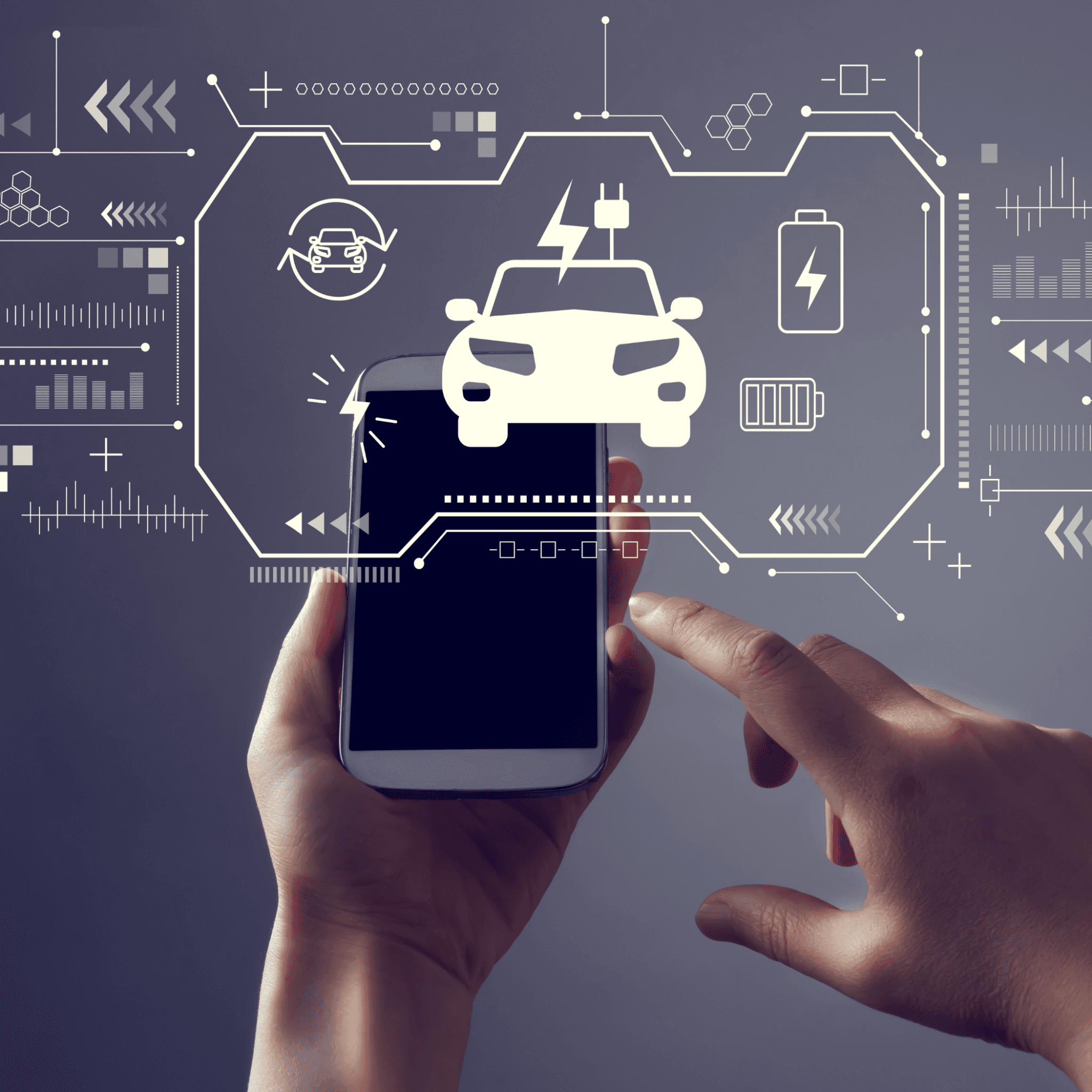
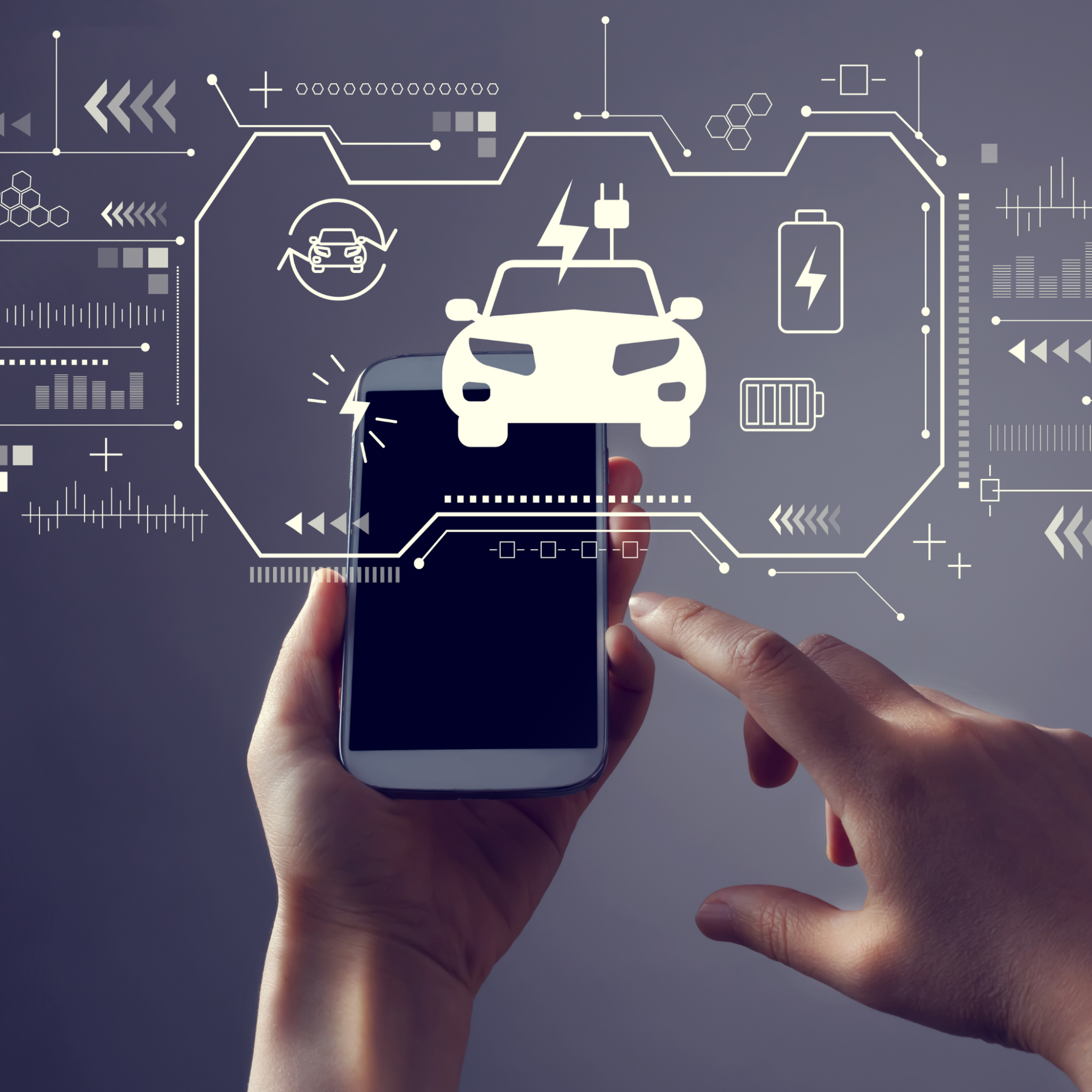
EV city integration is transforming urban mobility, enabling cleaner, smarter, and more sustainable transportation networks. As cities expand and climate concerns grow, electric vehicle (EV) infrastructure has become a priority for municipal planning. By combining charging stations, smart grids, IoT devices, and data-driven management, cities can encourage EV adoption while minimizing emissions and congestion. Companies like Mingothings International are at the forefront, helping cities deploy scalable, intelligent solutions that ensure a smooth transition to electrified urban mobility.
Why EV City Integration Matters
Reducing Carbon Emissions
Electric vehicles produce zero tailpipe emissions, which directly reduces urban air pollution and greenhouse gas levels. By integrating EVs with public transportation and shared mobility services, cities can further cut emissions and meet sustainability targets.
Supporting Energy Transition
Integrating EV infrastructure with smart grids allows cities to manage electricity demand efficiently. Renewable energy sources such as solar and wind can be coupled with charging stations, optimizing consumption and reducing reliance on fossil fuels.
Improving Urban Mobility
EV integration enhances urban mobility by supporting seamless access to shared vehicles, micro-mobility options, and public transport hubs. Smart platforms ensure availability, optimize routes, and provide real-time usage analytics for better decision-making.
Key Components of EV Infrastructure
Charging Stations and Fast Chargers
Accessible and strategically located charging points are critical for adoption. Cities must balance home, workplace, and public charging solutions, including fast chargers for high-traffic areas, to maintain convenience for EV users.
Smart Grid Integration
A connected grid enables load balancing, peak energy management, and integration with renewable sources. Smart meters, sensors, and analytics allow cities to predict demand and prevent power overloads.
Data Platforms and IoT Sensors
Real-time data collection is essential. IoT sensors track vehicle usage, charging patterns, and grid performance. Analytics platforms provide insights for planners to optimize EV deployment and energy distribution.
Examples of EV Integration in Smart Cities
Amsterdam: Coordinated Charging Network
Amsterdam has implemented a citywide network of smart charging stations connected to its energy grid. IoT sensors monitor usage, and predictive algorithms optimize charging schedules, reducing peak load and supporting sustainability goals.
Oslo: Electric Mobility Ecosystem
Oslo encourages EV adoption by integrating public transport, shared EVs, and bike-sharing systems into a unified mobility platform. The city uses data to ensure vehicles are available where and when residents need them.
Singapore: Smart EV Parking and Grid Management
Singapore combines smart parking solutions with EV infrastructure. Drivers are guided to available charging stations via a mobile app, and energy management systems dynamically allocate electricity to meet demand while minimizing waste.
The Role of Mingothings in EV City Integration
Engineering Smart Infrastructure
MTi provides modular platforms that integrate EV charging stations, IoT sensors, and energy management tools. Their solutions allow cities to scale infrastructure efficiently while monitoring performance in real time.
Enabling Data-Driven Decisions
IoT platforms collect and analyze usage data to optimize charging availability, energy consumption, and traffic flow. This empowers city planners to make informed decisions that accelerate EV adoption and enhance sustainability.
Driving Toward Cleaner, Smarter Cities
EV city integration is essential for building sustainable urban mobility. By combining smart infrastructure, IoT, and data analytics, cities can reduce emissions, optimize energy use, and improve the quality of life for citizens. With the support of partners like MTi, municipalities can implement effective EV strategies that pave the way toward a cleaner, more resilient urban future.
Meta Description: Discover how EV city integration enables smart infrastructure to reduce emissions, optimize energy, and improve urban mobility in cities worldwide.
Ready to transform
your operations?
Tell us your challenge. We'll show you how MTI can solve it — with real technology, real integrations and measurable results from day one.
Trusted by TMB Barcelona · Abertis · Navantia and many more.